In the early 2000s, the telecom industry began to rapidly innovate technology, bringing about a huge change in the way people connect with each other. From voice and data communications to high speed video and audio capabilities, this sector is vital in modern society and is divided into three main aspects: wireless communications, telecom services, and telecom equipment.
The telecom journey began with the invention of the telegraph around the 1830s as this device enabled people to connect with each other across the globe. As technology progressed, there was a simultaneous demand for high quality and standardized infrastructure. To meet this demand, the Indian government established the Telecommunication Engineering Centre (TEC) in 1991, whose job is to develop technical standards for telecom networks that are efficient, world-class, robust, and interoperable, ensuring seamless communication across the globe.
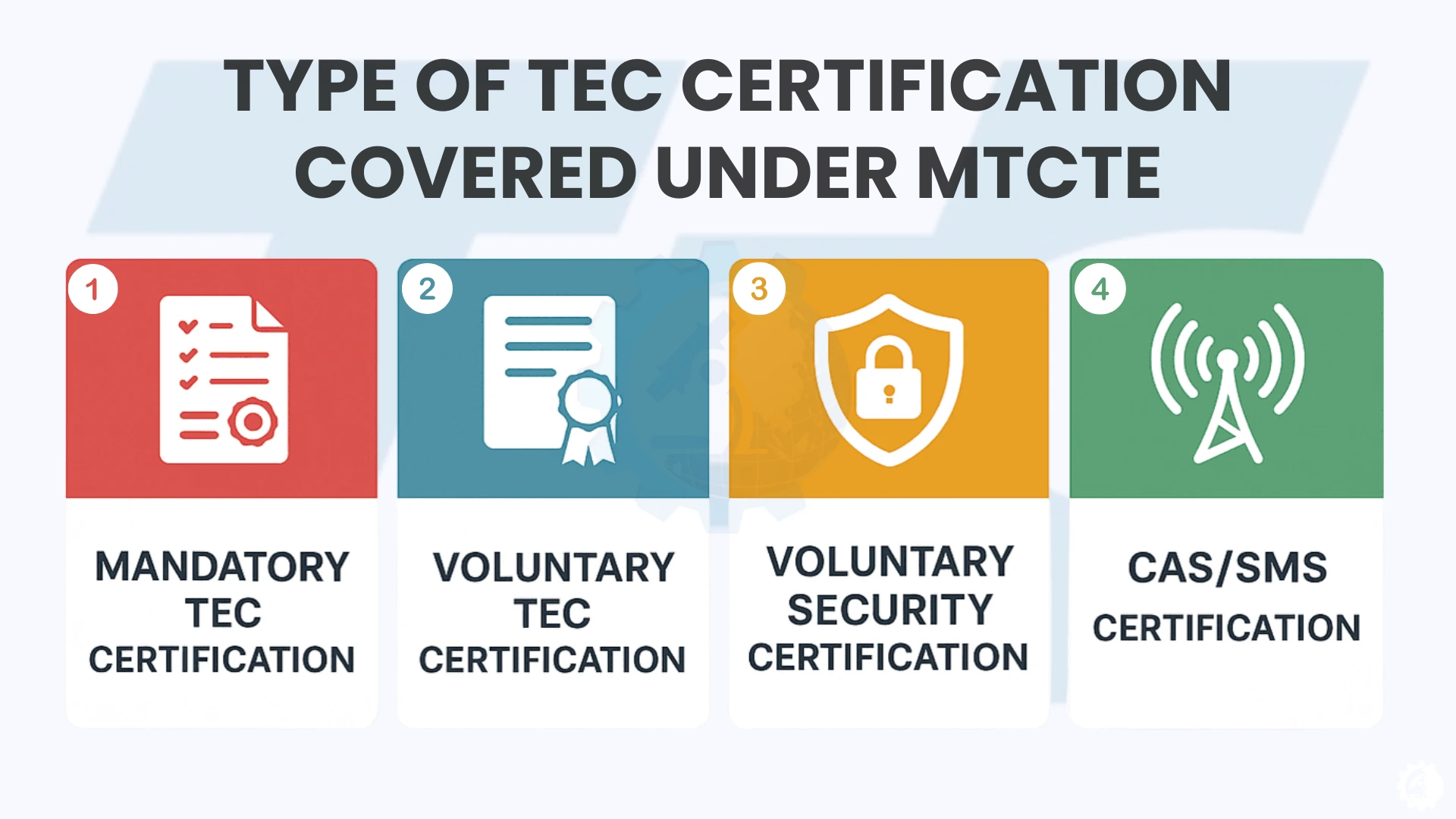
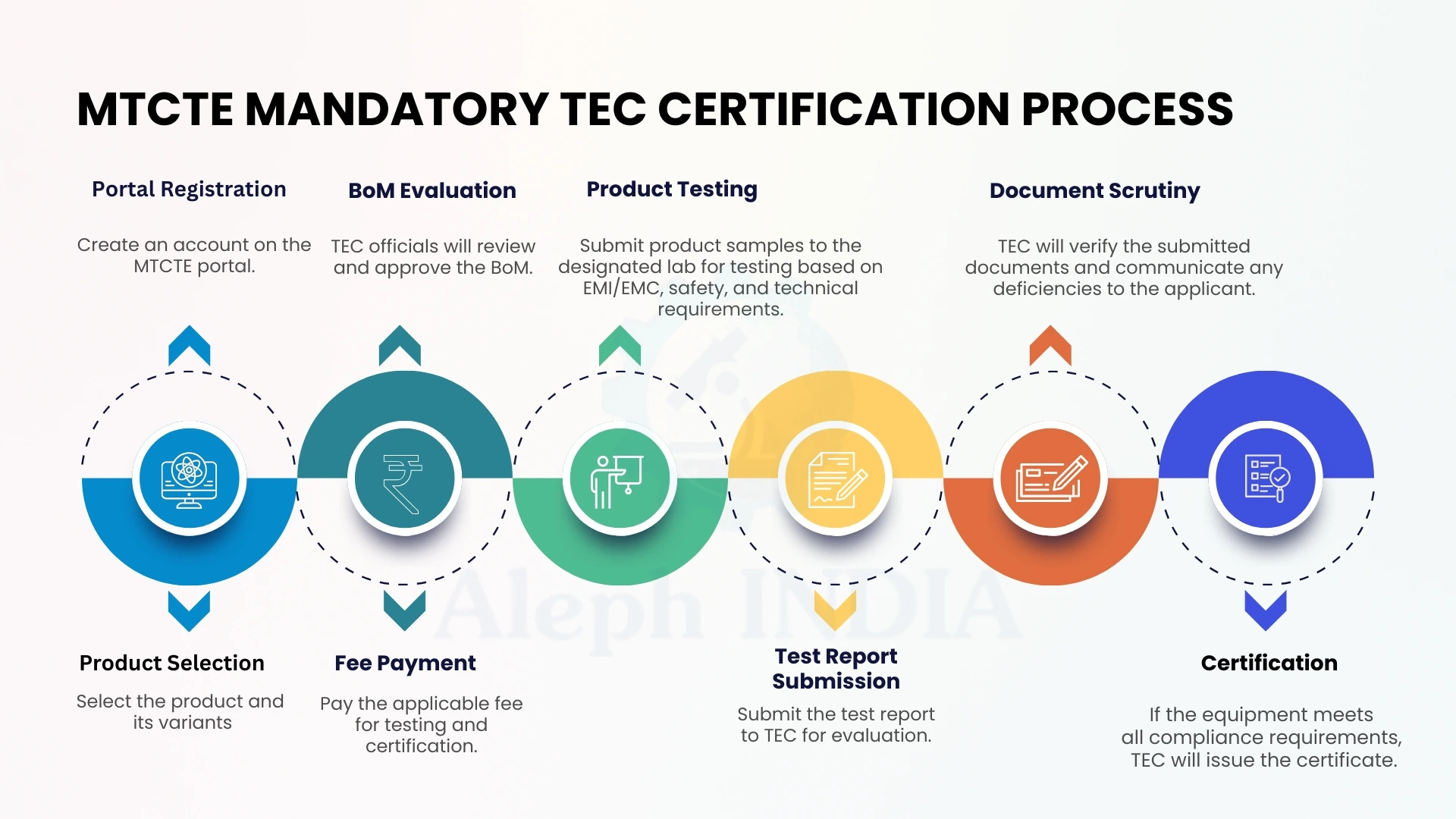
To control the quality of telecom equipment coming into India, TEC introduced the MTCTE (Mandatory Testing and Certification of Telecom Equipment) scheme. This requires all telecom product manufacturers and importers to have a TEC certificate. Provided the equipment passes the required tests, they are given a unique TEC registration number that becomes the brand identification of their product, marking compliance with national standards and ensuring customers that it is safe, authentic and genuine.