Note
For detailed information about the Procedure for
BIS ISI Certification, visit:
Lorem ipsum dolor sit amet, consectetur adipiscing elit, sed do eiusmod tempor incididunt ut labore
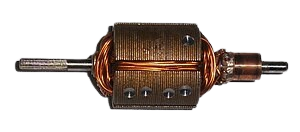
Tinned steel wire for banding of armatures and rotors, specifically non-magnetic banding wires, is used to provide structural support and secure the windings in electric motors and generators. These wires are coated with a thin layer of tin to enhance corrosion resistance and ensure long-lasting durability. Non-magnetic banding wires are particularly important in applications where magnetic interference needs to be minimized to maintain optimal performance of the electrical machinery. By tightly binding the armature and rotor windings, tinned steel wire prevents displacement and damage caused by mechanical stresses, vibrations, and centrifugal forces, ensuring reliable and efficient operation in various industrial and commercial electric equipment.
BIS certification for tinned steel wire used for banding of armatures and rotors, particularly non-magnetic banding wires, is crucial to ensure these materials meet the rigorous quality and performance standards set by the Bureau of Indian Standards (BIS). This certification verifies that the wire possesses the necessary mechanical properties, such as tensile strength, flexibility, and corrosion resistance, which are essential for the effective reinforcement and reliable operation of armatures and rotors. Adherence to BIS standards guarantees product consistency, reliability, and safety, preventing potential failures that could lead to operational disruptions or damage to electrical machinery. BIS certification also fosters consumer confidence, supports regulatory compliance, and promotes industry best practices, ensuring that non-magnetic banding wires meet the highest quality benchmarks necessary for demanding electrical applications.
| Product Name | Tinned Steel Wire For Banding of Armatures And Rotors Part 3 Specific Requirements For Non-magnetic Banding Wires |
| Applicable Indian Standard | IS 8510 (Part 3): 1977 |
| Applicable Certification Scheme | Product Certification Scheme (ISI Mark Scheme) Scheme 1 - Schedule 2 |
| Compliance Requirement | Mandatory |
| QCO Link | View QCO |
| Scope as per Standard | This standard (Part III) lays down the requirements for chemical composition and mechanical properties for non-magnetic banding wires. |
As per the latest Quality Control Order (QCO) issued by the Ministry of Steel, Government of India on 5th February 2024, tinned steel wire for banding of armatures and rotors, specifically non-magnetic banding wires, must adhere to the Indian Standard IS 8510 (Part 3): 1977. This standard outlines the essential requirements for the mechanical properties, such as tensile strength, flexibility, and corrosion resistance, of tinned steel wire used in these applications. Compliance with IS 8510 (Part 3): 1977 ensures that the wire maintains the necessary characteristics to effectively reinforce and stabilize armatures and rotors without interfering with their magnetic properties. Adhering to this standard is crucial for manufacturers to guarantee the reliability, safety, and efficiency of electrical machinery across various industrial applications in India.
The following are the major tests for Tinned Steel Wire For Banding Of Armatures And Rotors Part III Specific Requirements for non-magnetic banding wires.
A streamlined process designed to ensure compliance, quality, and efficiency at every step.
Preparation and submission of required documents.
Filing the application with BIS along with applicable fees.
Inspection and evaluation of manufacturing facility.
Testing of product samples in BIS recognized laboratory.
Successful evaluation and grant of BIS ISI Mark license.
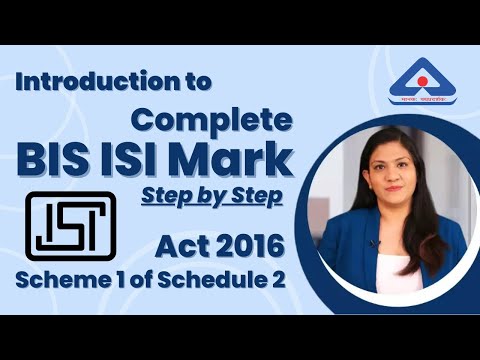
Watch our detailed video to understand each step involved in obtaining BIS ISI Mark Certification.
For detailed information about the Procedure for
BIS ISI Certification, visit:
The estimated time frame for obtaining BIS certification under IS 8510 (Part 3): 1977 is:
In conclusion, BIS certification for tinned steel wire used for banding of armatures and rotors, particularly non-magnetic banding wires, ensures adherence to the stringent quality standards set by the Bureau of Indian Standards. Compliance with IS 8510 (Part III): 1977 guarantees that the wire possesses essential mechanical properties, such as tensile strength, flexibility, and corrosion resistance, necessary for reliable performance in electrical machinery. This certification supports product consistency, safety, and efficiency, fostering consumer confidence and regulatory compliance. By adhering to these standards, manufacturers can ensure the highest quality and reliability for demanding industrial and commercial electrical applications.
For more updates and detailed procedures, stay connected with Aleph INDIA and ensure your products are always compliant and top-quality.

Partner with Aleph INDIA to simplify your BIS certification journey and ensure full compliance with IS 8510 (Part 3): 1977 for robust and high-performance packaging solutions.

 Taiwan
 Another Successful Audit completed by the Bureau of Indian Standards! Proud moment as Aleph INDIA Group's client, M/S. Quest Composite Technology (Taiwan) Li...
 Taiwan
 Another Successful Audit completed by the Bureau of Indian Standards! Proud moment as Aleph INDIA Group's client, M/S. GSLIDE CORPORATION.(Taiwan) , aces the...

 Japan
Japan Another Successful Audit completed by the Bureau of Indian Standards! Proud moment as Aleph INDIA Group's client, M/S. UACJ (Japan), aces the BIS audit for W...
Hear from industry leaders who have experienced the
impact of partnering with
Aleph.

 Aleph INDIA
Sr. Sales Manager
IVicon Security Tech Private Ltd
Aleph INDIA
Project Manager | Remidio
Innovation Solutions Pvt Ltd
Aleph INDIA
CEO | Makercubs
Technologies Pvt Ltd
Aleph INDIA
Technical Vice President |
AIR LIQUIDE MEDICAL SYSTEMS PRIVATE LIMITED