
Note
For detailed information about the Procedure for
BIS ISI Certification, visit:
Lorem ipsum dolor sit amet, consectetur adipiscing elit, sed do eiusmod tempor incididunt ut labore
BIS certification is essential for Aerial Bunched Cables for working voltages up to and including 1100 Volts as per IS 14255. This standard ensures that the cables meet stringent safety, reliability, and performance requirements, which are critical for efficient power distribution, particularly in urban and rural electrification projects. Aerial bunched cables offer superior insulation, enhanced safety against electrical hazards, and resistance to environmental conditions, making them ideal for overhead power distribution networks. Compliance with IS 14255 reflects a manufacturer's commitment to delivering high-quality and secure electrical cables.
The IS 14255 standard specifies the construction, material requirements, and performance criteria for aerial bunched cables. It covers aspects such as conductor composition, insulation properties, and mechanical strength to ensure reliable power transmission. The standard also includes guidelines for resistance to heat, UV radiation, and mechanical stresses, making these cables suitable for harsh outdoor environments. Rigorous testing protocols are defined to verify durability, safety, and electrical performance under real-world conditions.
| Product Name | Aerial Bunched Cables for working voltagess upto and including 1100 Volts |
| Applicable Indian Standard | IS 14255 |
| Applicable Certification Scheme | Product Certification Scheme (ISI Mark Scheme) Scheme 1 - Schedule 2 |
| Compliance Requirement | Mandatory |
| Quality Control Order | View QCO |
| Scope as per Standard | This standard covers the requirements for polyethylene/cross-linked polyethylene insulated cables with aluminum conductors, which are twisted over a central bare or insulated aluminum alloy messenger wire. These cables are designed for use as overhead distribution feeders. |
Mandatory BIS certification under IS 14255 ensures that aerial bunched cables conform to national safety and quality standards. For end-users, it guarantees improved electrical performance, reduced risk of power failures, and enhanced safety in overhead transmission. For manufacturers, BIS certification enhances credibility, facilitates market access, and demonstrates adherence to the highest quality and safety standards in electrical infrastructure products.
A streamlined process designed to ensure compliance, quality, and efficiency at every step.
Preparation and submission of required documents.
Filing the application with BIS along with applicable fees.
Inspection and evaluation of manufacturing facility.
Testing of product samples in BIS recognized laboratory.
Successful evaluation and grant of BIS ISI Mark license.
Watch our detailed video to understand each step involved in obtaining BIS ISI Mark Certification.
For detailed information about the Procedure for
BIS ISI Certification, visit:
The estimated time frame for obtaining BIS certification under IS 14255 is:
BIS certification under IS 14255 is crucial for ensuring the safety, durability, and reliability of aerial bunched cables used in overhead power distribution. By adhering to this standard, manufacturers can offer high-quality products that meet national regulatory requirements, fostering trust among consumers and stakeholders.
Partner with Aleph INDIA for expert guidance in navigating the BIS certification process and ensuring compliance with national standards for aerial bunched cables.

Partner with Aleph INDIA to simplify your BIS certification journey and ensure full compliance with IS 14255 for robust and high-performance packaging solutions.
BIS certification ensures that Aerial Bunched Cables meet the safety, durability, and performance standards specified in IS 14255. It guarantees compliance with national regulations, reducing the risk of electrical hazards and ensuring reliable power distribution.
IS 14255 specifies requirements for conductor material, insulation properties, mechanical strength, and resistance to environmental factors like heat and UV radiation. The cables must pass rigorous testing to ensure they perform efficiently under real-world conditions.
The certification process takes approximately 30 days for Indian manufacturers and around 180 days for foreign manufacturers, subject to product testing and compliance verification.
Manufacturers need to submit an application to BIS, along with product samples for testing at an accredited laboratory. After successful testing and factory inspection, BIS grants the certification, allowing manufacturers to use the ISI mark on their products.

 South Korea
 The Bureau of Indian Standards, known for maintaining strict standards, carried out a BIS Audit for Hanwha Impact Co. Ltd., South Korea. Mr. Chi Yun In, Proj...

 Vietnam
 Another Successful Audit completed by the Bureau of Indian Standards! Proud moment as Aleph INDIA Group's client, M/S. Hoàng Lâm Ply Wood factory Vietnam, ac...
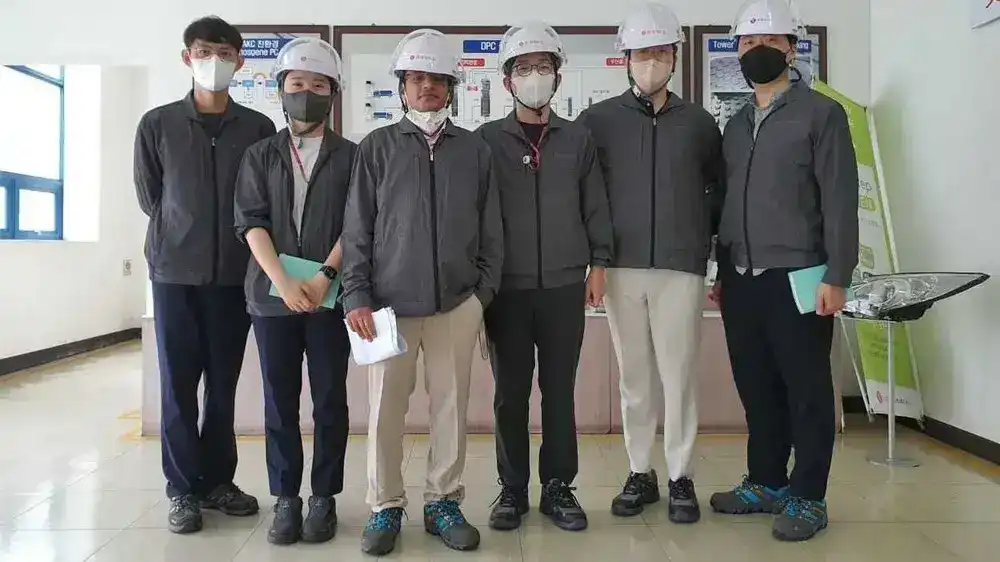 South Korea
 As the distinguished national certification authority of India, the Bureau of Indian Standards successfully conducted a BIS Audit for M/s Lotte Chemical Corp...
Hear from industry leaders who have experienced the
impact of partnering with
Aleph.

 Aleph INDIA
Sr. Sales Manager
IVicon Security Tech Private Ltd
Aleph INDIA
Project Manager | Remidio
Innovation Solutions Pvt Ltd
Aleph INDIA
CEO | Makercubs
Technologies Pvt Ltd
Aleph INDIA
Technical Vice President |
AIR LIQUIDE MEDICAL SYSTEMS PRIVATE LIMITED